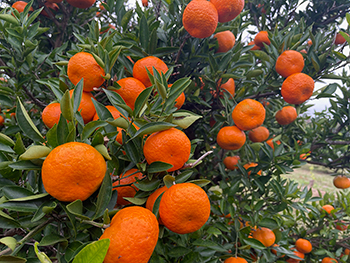
Citrus Section Abstracts
Kim D. Bowman, Presiding


MONDAY MORNING SESSIONS


10:00-12:00  Concurrent Sessions -A


10:00     Performance of Seedless Pineapple Oranges on Four Rootstocks.  Gregory McCollum and Kim

             D. Bowman, USHRL, USDA.


Irradiation of seeds of Pineapple orange resulted in the generation of several mutants with reduced seed count.  In order to determine the horticultural characteristics of these mutants, trees of three selections (1-10-8, 1-10-60, and 1-10-98)  were propagated on four rootstocks (Swingle, Carrizo, Cleopatra mandarin, and sour orange) and field trials were established at two locations in Florida (Groveland and St. Cloud) .  Data has been collected over five harvest seasons (1994, 1995, 1996, 2002, 2003) on fruit  yield and juice quality (color, soluble solids and total acidity).  Fruit of each selection ripen in mid season as is the case with other pineapple oranges, but have significant differences in fruit characteristics. All three selections produce fruit with very few seeds; many fruit have no seeds.  The low seed count could make theses selections much more valuable for the midseason fresh market fruit market than the pineapple oranges that are presently available.

10:15    Rootstock Observations among ‘Hamlin’ and ‘Valencia’ Orange Trees Growing at Central Ridge and Flatwoods LocationsWilliam S. Castle and James C. Baldwin, CREC, UF.

‘Hamlin’ field trials were planted at the north (Tavares) or south (Lake Placid) end of the central Ridge region, and two ‘Valencia’ trials were established in flatwoods sites near St. Cloud or Immokalee between 1987 and 1991 at conventional tree spacings on soils typical for each region.  Trees on 17 to 26 of essentially the same rootstocks including most commercial ones were planted at each location in a replicated experiment.  Yield was either measured or estimated annually for about 5 years and 2 to 4 years of juice quality data were collected at all locations except Lake Placid.. The rootstocks were primarily citranges, citrumelos, mandarins, and other sexual and somatic hybrids.  Among these, trees of ‘Hamlin’ and ‘Valencia’ on F80-5 citrumelo, Benton, Carrizo, Troyer, and C-32 citranges, x 639 (a Cleopatra mandarin x trifoliate orange hybrid) produced the highest cumulative yields.  In addition, ‘Valencia’ on PTM-1584 (a trifoliate orange x Milam hybrid) was one of the highest yielding combinations as was ‘Hamlin’ on Benton citrange at one location.  Juice quality was not greatly affected by rootstock.  PS/box was typically 5.5 for ‘Hamlin’ trees and 6.7 to 7.2 for ‘Valencia’ trees. Tree survival after 15 years was generally > 80% although at one Ridge location, many trees were freeze-damaged and eventually removed, and trees on sour orange and Bittersweet sour orange at all locations eventually succumbed to citrus tristeza virus.

10:30     The 10-year Performance and Survival of ‘Marsh’ Grapefruit Trees on Sun Chu Sha Mandarin and Various Citrumelo Rootstocks on Riviera Sand Depressional, an Alfisol.  William S. Castle, CREC, UF, and Mace G. Bauer, IRREC, UF.


‘Marsh’ grapefruit (Citrus paradisi Macf.) trees were planted in 1991 in double-row beds formed from Riviera sand, depressional, an Alfisol with a loamy horizon at depths between 20 to 40 in.  Each bed of ca. 75 trees was planted with trees of only one rootstock.  There were two replicate blocks and in each block there was one replication (bed) of trees on each rootstock.  The rootstocks were 6 unnamed citrumelos (C. paradisi x Poncirus trifoliata [L] Raf.), Swingle citrumelo, and Sun Chu Sha mandarin (C. reticulata Blanco).  Cropping began in the 1993-94 season and was measured for all trees through the 2001-02 season, a total of 8 years.  Mean cumulative yield varied little among rootstocks and ranged from 26 to 31 boxes/tree.  Fruit samples collected in the last two cropping years showed no difference in juice quality among rootstocks. Trees on Swingle and several other citrumelos were ca. 9.5 ft tall at age 10 years and the largest trees were 30% taller.  Tree health including tree decline and ultimately tree loss appeared be strongly related to relative elevation. Visual symptoms of tree decline were observed first in the area of lowest elevation, but ultimately were observed throughout the planting. Recorded observations of the perched water table showed that the soil was saturated to the surface for extended periods in the lowest area, and to a lesser extent in other areas. Sun Chu Sha rootstock was apparently better adapted to the site conditions than the citrumelo rootstocks based on longevity. However, many of those trees were also removed due to unsatisfactory commercial performance.


10:45     Tale of Two Rootstocks: US-852 and US-812.  Kim D. Bowman, USHRL, USDA; Robert E. Rouse, SWFREC, UF.


New citrus rootstocks for commercial use in Florida have been under active development by the USDA-ARS citrus breeding project for over twenty years.  Two hybrid citrus rootstocks that appeared especially promising after ten years of field testing were released for commercial use by USDA around the start of the new millennium.  The first of these to be released, US-852 rootstock, is a hybrid of Changsha mandarin (Citrus reticulata) with English Large Flower Trifoliate Orange (Poncirus trifoliata) and was released by ARS in August 1999.  The other rootstock, US-812, is a hybrid of Sunki mandarin (C. reticulata) with Benecke trifoliate orange (P. trifoliata) and was released by ARS in May 2001.  Both US-852 and US-812 were described in their release notices to have exhibited outstanding effects on sweet orange fruit yield in field trials, as well as inducing good fruit brix and creating trees with a moderate size.  Resistance or tolerance to Citrus tristeza virus was also noted for both rootstocks.  Differences between the two rootstocks in other traits and field performance since release appear to be shifting one of them toward commercial importance and the other to relative insignificance.  Implications of these observations for future strategies in rootstock development will be discussed.


11:00      Promising new rootstocks US-897 and US-802.  Kim D. Bowman and Ute Albrecht, USHRL, USDA.


Several new citrus rootstocks that have shown good promise for commercial use in Florida are nearly ready for release by USDA.  Two of these, US-897 and US-802, are being proposed for release in the coming year.  Both have exhibited good performance in a 19-year field trial with sweet orange and also shown great promise in addressing some industry problems in other shorter-duration trials.  US-802 is a hybrid of Siamese pummelo and Gotha Road trifoliate orange.  This rootstock has demonstrated exceptional vigor and durability in an assortment of field sites.  Most exciting among these is good tolerance to Diaprepes weevil and Phytophthora diseases in one trial location with Winder soil in Indian River County.  Also notable among the positive attributes of US-802, is the demonstration of resistance to citrus tristeza virus (CTV) and citrus blight.  Probably the most serious fault of US-802 for some applications is the large tree size and relatively lower fruit brix that result from its high vigor.  The other rootstock in this duo, US-897, contrasts sharply with US-802 in effect on vigor.  US-897 produces a dwarf to semi-dwarf tree size with sweet orange, grapefruit, and mandarin scions, reflecting its origin as a cross of Cleopatra mandarin with Flying Dragon trifoliate orange.  Like US-802, US-897 has exhibited good tolerance to Diaprepes weevil and Phytophthora disease in a flatwoods site, perhaps somewhat surprising in combination with its low vigor.  The two new rootstocks appear to provide some valuable new rootstock options for Florida citrus growers.


11:15     The Super Sour Rootstock Project.  Kim D. Bowman, USHRL, USDA.


Sour orange is often considered the standard for comparison with other rootstocks in Florida.  It makes long-lived, highly productive trees that have broad adaptability to most Florida soil types and induces the scion fruit to have high quality.  Sour orange also has good tolerance or resistance to several of the common biotic and abiotic problems of citrus in Florida, including Phytophthora diseases, citrus blight, salinity, and freezes.  Unfortunately, sour orange also has one major fault that is often devastating in impact: it suffers from a rapid tree decline when trees with sweet orange, mandarin, or grapefruit scions become infected with certain strains of citrus tristeza virus (CTV).  The Super Sour Project is targeted at creating a new sour orange-type rootstock that possesses all of the positive attributes of sour orange, but also has field resistance to CTV.  Correcting other less important faults of sour orange (such as susceptibility to citrus nematode) is also included among the objectives. Making use of molecular information indicating that sour orange is a hybrid species derived from the mandarin (Citrus reticulata) and pummelo (Citrus grandis), the primary approach is to create a series of pummelo x mandarin hybrids and select the one with the most outstanding rootstock characteristics using a process of molecular screening, greenhouse testing, and field trials.  Good progress has been made in selecting parental mandarins and pummelos, creating hybrids, and beginning the selection of the most promising candidates.  Some Super Sour hybrids have been entered into field trials.


11:30    Economic Longevity of Trees on Swingle citrumelo and the Variability to Adaptation among Soils of the Indian River Production  Area.  Mace G. Bauer, IRREC, UF, William S. Castle, CREC, UF, Brian J. Boman, IRREC, UF, and Tom A. Obreza, UF.


In previous field work, we established that certain soils and soil characteristics limit the economic life of trees on Swingle citrumelo (Citrus paradisi Macf. x Poncirus trifoliata [L.]Raf.) rootstock.  However, there are also many productive groves of orange and grapefruit trees planted more than 15 years ago in the Indian River area where Swingle is apparently well adapted to the regional soils. We surveyed citrus growers in the Indian River region in order to better understand the range of soil conditions suitable for Swingle rootstock. We identified excellent- and poor-performing blocks of citrus trees on Swingle citrumelo and recorded their locations in a geographic database. We questioned each manager about management history and crop performance.  Tree performance was clearly related to soil series as identified in USDA-NRCS soil surveys. Trees growing in Winder, Chobee, and Riviera depressional were consistently rated poor to substandard. Ratings of good to excellent were typical for trees on Wabasso, Malabar, Pineda, and some other less common soils.  Intermediate tree performance was reported at a large number of sites with no apparent relationship to the soils present. Tree performance was linked to soil series which in turn was related to landscape position.  These relationships are discussed.


11:45    Relationships among rootstock, mineral content and peel thickness of Hamlin orange.  Morgan K.T., R.E. Rouse, SWFREC, UF; S.H. Futch, CREC, UF; M.A. Zekri, Multi-county citrus agent, Hendry County; F.M. Roka, SWFREC, UF.


Reports started emerging in late December 2004 that the number of split fruit in Hamlin oranges were higher than in previous years. Reports included several loads, which were mechanically harvested, being rejected at the juice plant as a result of split fruit. Reports of rejected loads from hand-picked blocks were mentioned as well. Initial visual inspection of the fruit at the affected groves indicated that the peel thickness of Hamlin oranges appeared to be thinner than usual. A more extensive investigation ensued in which fruit samples representing three rootstocks were collected from seven locations in the Immokalee area. Previous studies have demonstrated positive correlations among fruit size and peel thickness and tree nutrition. Along with fruit size, juice quality, and peel thickness measurements, samples of the juice and dried peel were analyzed for Ca, P, and K by rootstock and location. ANOVA indicated significant differences in fruit size and peel thickness were attributable to location, while rootstock had no significant effect on neither size nor peel thickness. Likewise, no apparent correlation existed among fruit size, fruit quality, and peel thickness with Ca, and P concentrations. However, a correlation was indicated between fruit size and peel thickness with K concentrations in the juice and fruit peel.


LUNCH BREAK

MONDAY AFTERNOON SESSIONS

1:30- 3:00         Concurrent Sessions - B

1:30       Mechanical Harvesting Has Little Effect On Citrus Tree Health And Productivity.  Kuo-Tan Li, Jim Syvertsen, and Jackie Burns, CREC, UF.

Mechanical harvesting of citrus trees often causes visible injuries including shedding of leaves, flowers, and young fruit, breaking of branches, bark scuffing and exposure of roots. To assess the impacts of mechanical harvesting on citrus tree health and productivity, we measured fruit recovery efficiency, leaf and shoot removal, tree water relations, leaf gas exchange, and chlorophyll fluorescence of mature ‘Hamlin’ and ‘Valencia’ orange trees either harvested by hand or harvested mechanically using a linear-type trunk shaker operating at 4 Hz, 70.8 kg mass weight, and 13 cm displacement for various shaking durations. Our shaking treatments effectively recovered 90% to 94% of fruit without bark damage. Compared to hand harvesting, trunk shaking removed 10% more leaf area and twigs, and caused some root exposure. After a restricted irrigation regime, trees in dry soil developed drought symptoms after excessive trunk shaking. When trees were properly irrigated before and after harvest, however, mechanical harvesting did not impair tree water relations or leaf function.  Return bloom, growth, and yield of ‘Hamlin’ trees were not affected by mechanical harvesting. Trunk shaking at full bloom did not affect ‘Valencia’ fruit set, but trunk shaking after mid-May might reduce yield due to removal of immature green fruit from the next crop.


1:45      Yield impacts on 'Valencia' oranges from late season mechanical harvesting without abscission agentsRoka, F.M., SWFREC, UF; J.K. Burns, and R.S. Buker, CREC, UF.


Mechanical harvesting of citrus stops around May 1st every year as growers observe quarter-size green fruitlets being removed by the shaking operations. Previous research by Whitney indicated that ‘Valencia’ yields the subsequent year decreased by at least 20% when trees were trunk shaken after May 15th. The question of this study was whether decreasing the shake time duration or utilizing a canopy shaker would lessen yield impacts when ‘Valencia’ trees were shaken after May 15th. In 2003, an experiment was designed to measure the yield impact on the 2004 ‘Valencia’ orange crop when trees were mechanically shaken through mid-June 2003.  On four harvest dates, nine treatments were replicated four times in a commercial, 15-year-old, ‘Valencia’ block near Immokalee, FL. Each plot contained 7 trees. Treatments included four settings of a trunk and canopy shaker along with hand-harvested control plots. Trunk shaker settings varied by duration of shake (10, 7, 4, and 2 seconds). Canopy shaker settings varied by cycles per minute (245, 230, 215, and 145 cpm). Harvest dates in 2003 were May 6th, May 20th, June 3rd, and June 17th. The harvest treatments were repeated on the same trees in 2004, approximately one-year later (May 4, May 18, June 1, and June 15, 2004). Average per tree yields were calculated. ANOVA indicated significant differences in yields were attributable to harvest date and treatment. Yield reductions, as compared to the handpicked controls, ranged from 20 to 50% depending on duration and aggressiveness of shake. 

2:00      Growth Conditions and Crop Load Affect Sheepnosing in Grapefruit.  J.P. Syvertsen, CREC, UF; L. G. Albrigo, CREC, UF; M.A. Ritenour, IRREC, UF; J.M. Dunlop, CREC, UF; R. C. Vachon, The Packers of Indian River Ltd.


We manipulated tree growth and yield in several groves in the Indian River (IR) and central Florida areas over 3 growing seasons and evaluated the elongated, sheepnosed shape of grapefruit.  High rates of N fertilization and elevated early season (Feb.-July) temperature within tree canopies increased the percentage of sheepnosed fruit (2004. Proc. FSHS 117).  The worst sheepnosing measured was in an IR white grapefruit block where packout of late season round and flat fruit was only 20%.  An additional 200 lbs K / Acre (above the normal 200 lbs) in the spring increased packout to 48%.  In another IR white GF block with only 41% packout, withholding all irrigation increased packout to 70%.  Overall packout averaged >90 % in red grapefruit in the same IR grove.  In the 2003-4 season, fruit shape deteriorated between early and late harvests in all IR blocks that we evaluated. Red grapefruit trees in central Florida generally had much lower percentages of sheepnosed fruit than in the IR. Removing 90% of the crop in June increased sheepnosing 3 to 6 fold at harvest in the remaining fruit.  Sheepnosing was worse on the south and west canopy positions than in the north and east sides. Fruit loss from hurricane winds reduced yields in the 2004-5 season and sheepnosing increased as the season progressed. Overall, comparable trees with low crop loads had more sheepnosed fruit than high crop load trees.  These studies underscore the importance of early season temperatures, fertilizer management practices and crop load in determining sheepnosing problems in grapefruit. 


2:15     Citrus Blight Incidence under Different Soil Fertilization and Liming Programs in Florida Flatwoods.  B. J. Boman, IRREC, UF, R. D. Berger, Plant Pathology, UF.  K. Derrick, CREC, UF, A. Battikhi, IRREC, UF.


Blight is a major disease affecting citrus trees in Florida. The causal agent(s) of this disease have not yet been determined or agreed upon. Symptoms are typified by shortened internodes on branches, and severely cupped and yellowed leaves, in spite of water availability, as well as flushing of leaves and blooms before death. A study was carried out on "Valencia" oranges, at Indian River Research and Educational Center, Fort Pierce, Florida, during the period 1993-2001, to test and compare a Brazilian fertilization program (BP), with a local program (FL). The BP succeeded in reducing blight on citrus, in Brazil. It uses lower amounts of fertilizers than the conventional FL program. Two liming rates were used since previous work showed lesser blight incidence on citrus at high soil pH values.  By  2001, the lowest incidence of blight was in the FL low lime (FLLo) treatment (11%), followed by BP low lime (BPLo) with 20%, then by BP high lime (BPHi) treatment (33%). The highest was for the FL high lime (FLHi) treatment with, 39% diagnosed as having blight. Average yields of FLHi and FLLo treatments were higher during 1996 and 1997 than those of BPHi and BPLo treatments. Whereas, during 1999, 2000, and 2001, average yields of BPHi and BPLo were higher than those of FLHi and FLLo treatments. These yields were only significantly different, according to Duncan's Multiple Range Test, during the years 1997 and 2001, where the average yields for BPHi, BPLo, FLHi, and FLLo were: 56.0; 54.1; 36.9; and 44.2 MT/Ha, respectively. There were only minor  differences between the field observations and the protein laboratory tests for blight disease detection.


2:30      Survey for Stem-Pitting Citrus Tristeza Virus in Commercial Citrus Groves in Florida.  P. J. Sieburth, and K. Grau, DPI, Florida DACS.


Citrus tristeza virus (CTV) has affected how citrus is grown in Florida since the 1950s.  The brown citrus aphid, first detected in Florida in 1995, is an efficient vector of CTV capable of spreading severe forms throughout the state.  The use of Citrus tristeza virus molecular markers led to the discovery of aphid transmitted stem-pitting forms of CTV (SP-CTV) in Polk County.  A survey to determine if SP-CTV was present was undertaken for the eleven counties representing 80% of commercial citrus production.  Five sweet orange and two grapefruit sites per county were surveyed using a hierarchical bulk sampling procedure.  Immunocapture reverse transcriptase polymerase chain reaction (IC-RT-PCR) with Type II primers was used for initial screening followed by other SP-CTV markers for positive samples.  Fifty-three percent (42/79) of the sites surveyed tested negative in all samples.   The majority of sites testing positive, 61%, had a less than 5% chance of any single tree in that block testing positive.  Only six sites had a greater than 10% chance of any one tree testing positive for the SP-CTV markers.  There were two different patterns of markers present:  Profiles I and II.  Not all of these isolates have been evaluated in biological indicators so whether they can cause significant damage and what the threat is to the citrus industry has yet to be determined.  Currently, a strong Citrus Budwood Registration Program and increasing the number of budwood source trees under screen will prevent the spread of severe forms of CTV through the nursery industry.   


2:45      Sucrose transport into Citrus juice cells: evidence for an endocytic transport system. Ed Etxeberria and Pedro Gonzalez, CREC, UF and Javier Pozueta-Romero, Nafarroa, Spain.


To investigate the mechanisms of sucrose transport and its accumulation into ‘Murcott’ mandarin (Citrus reticulata Blanco) fruit, developmental changes in determinants of sink strength such as sucrose metabolizing enzymes, and sucrose transport across both plasmalemma and tonoplast membranes were analyzed.  Concurrently with sucrose levels, sucrose synthase, sucrose phosphate synthase and sucrose phosphate phosphatase increased throughout fruit development. Plasmalemma and tonoplast vesicles isolated from fruits collected at different developmental stages were analyzed for their transport capabilities. Sucrose uptake into energized plasmalemma vesicles was inhibited by gramicidin, which is in accordance with the presence of an active symport mechanism of unidirectional transport of sucrose from the apoplast into the cytosol. Unexpectedly, tonoplast vesicles were shown to lack active transport mechanism of sucrose into the vacuole. More importantly however, and in conformity with recent findings showing the occurrence of an endocytic mechanism of ion uptake in maize root cells (Zea mays L.), Citrus juice cells were shown to incorporate membrane impermeable dyes into their vacuoles in the presence of sucrose.   High definition confocal microscopy revealed the co-localization of membrane impermeable markers in cytoplasmic vesicles and the formation of vesicles at the plasmalemma.  The data provide evidence for an endocytic system of transport that allows direct incorporation of sucrose from the apoplast to the vacuole bypassing both the plasmalemma and tonoplast membranes. 


3:00              Sectional Business Meeting


3:15              BREAK


3:30-5:00       Special Workshop


"Citrus Canker in Florida: Status and Prospect for the Future"


Speakers: Tim Gottwald, USDA/ARS

                Tim Riley, USDA/APHIS

                Tim Schubert, FDACS

                James Graham, CREC


5:00              End of Afternoon Session


TUESDAY MORNING SESSIONS


10:00-11:30    Concurrent Sessions - D

10:00    The Evaluation of Chemical Control of the Asian Citrus Psylla, Diaphorina citri Kuwayama (Homoptera: Psyllidae) and Management Approaches on Florida Citrus.  Carl C. Childers and Michael E. Rogers,  CREC, UF.


The Asian citrus psylla is a recognized pest of Florida citrus, especially young trees being brought to early production.  Adults overwinter on both mature and young citrus flush while the nymphs develop only on new flush. The insect attacks new growth and females deposit their eggs on this newly expanding flush with subsequent establishment of nymphal colonies. The biology of this insect pest is reviewed along with damage produced as a result of feeding injury by both adult and nymphal stages. Various insecticides have been evaluated for controlling both Asian citrus psylla adults and nymphs and methods for their assessment are presented from research conducted on Florida citrus since 2001. Management approaches for psyllid control on Florida citrus are presented. 


10:15    Thrips (Thysanoptera: Thripidae) species that are pests on Florida Grapefruit Varieties: Their Biologies, Seasonal and Relative Abundance, Damage to Fruit and Control.  C. C. Childers, CREC, UF; Philip A. Stansly, SWFREC, UF.


The orchid thrips, Chaetanaphothrips orchidii (Moulton), Danothrips trifasciatus Sakimura, and the greenhouse thrips, Heliothrips haemorrhoidalis Bouche can cause serious rind blemish injury to clustered fruits of grapefruit varieties in Florida. Red grapefruit varieties tend to produce more interior clustered fruit that provide a more protective environment for these pest thrips. Damaged fruit can be rejected for the fresh market depending on the extent of rind blemish.  Any of the three thrips species are capable of causing rind blemish injury from onset of clustered fruit touching in early May until harvest. Adults as well as first and second instar larvae are the feeding stages. Only H. haemorrhoidalis completes its entire life cycle within the tree canopy either between touching fruit or twigs or between leaves or twigs and touching fruit. All three thrips species have alternate plant hosts in Florida including various weed hosts within citrus groves, especially C. orchidii and D. trifasciatus. Current recognized effective insecticidal control options are limited to the use of Danitol 2.4EC at one pint per acre or chlorpyrifos 4EC at five pints per acre. Scouting is essential to minimize both fruit damage and insecticidal applications due to the long potential period of vulnerability to thrips feeding.


10:30  Scarring Damage on ‘Murcott’ Tangors Caused by the Flower Thrips Frankliniella bispinosa (Morgan).  Michael E. Rogers and Carl C. Childers, CREC, UF.


Scarring damage on ‘Murcott’ fruit can result in a significant portion of the crop being rejected for fresh market.  Scarring damage on ‘Murcott’ is primarily attributed to wind scar with little attention given to insect pests as the cause of some of this scarring damage.  In the spring of 2004, a project was initiated to determine whether the flower thrips, Frankliniella bispinosa (Morgan) (Thysanoptera: Thripidae), could cause scarring damage on ‘Murcott’ tangors.  In this study, ‘Murcott’ blooms were caged with and without flower thrips.  After petal fall, the developing fruit were examined for presence of scarring damage.  Fruit produced from ‘Murcott’ blooms that were caged with flower thrips had noticeable scarring damage whereas fruit produced by blooms that were caged without thrips did not sustain any scarring damage. All caged fruit were then continuously monitored throughout their development to characterize the nature of the thrips scarring damage as the fruit expanded in size.  During the spring of 2005, caging studies were used to examine the number of thrips required to cause scarring damage to the developing fruit.  Various insecticides were also evaluated to determine their effectiveness in controlling flower thrips on ‘Murcott’ blooms.  Additionally, because insecticides applied to the open blooms of ‘Murcott’ have the potential to negatively affect pollinators, applications of insecticides applied at full bloom and petal fall were compared in terms of prevention of thrips scarring damage.  Based on the results of this work, management of thrips scarring damage in ‘Murcott’ tangors will be discussed.


10:45  Effect of application time and glyphosate formulations on weed control efficacy in young citrus groves.  Samunder Singh, Megh Singh and Steve Futch, CREC, UF.


Weed competes more vigorously with young citrus trees due to space, favorable temperature and available soil moisture.  Herbicide rates and application timings in relation to the stage of weed growth may affect the degree of control.  The objective of this work was to maximize the control of weeds using different rates of glyphosate applied at various growth stages of weeds.  Two glyphosate formulations (Roundup UltraMax and Touchdown IQ), mixed with 2% ammonium sulfate at 0.84, 1.26 and 1.68 kg ae/ha were evaluated for weed control efficacy under field conditions.  Treatments were applied by a tractor mounted boom sprayer fitted with Teejet nozzles delivering 190 L/ha volume at 150 kPa.  Spraying was done at two wk intervals on 1, 15, and 30 May and 14 June during 2002 and 2003 in a plot size of 18 by 3 m, with 4 trees per plot of 2-3 yr age and replicated 4 times.  The field was infested with several broadleaf and grassy weeds, dominant being Brazil pusley (Richardia brasiliensis (Moq.) and Texas Panicum (Panicum texanum Buckl.), respectively.  Weed mortality was recorded at two weeks interval until 10 wk of spraying.  Data on visual mortality of broadleaf and grasses was subjected to arcsin transformation for ANOVA.  One Way ANOVA was performed for significance of formulations, rates, and application time.  Higher efficacy of glyphosate was recorded when sprayed in end May compared to mid or early May; effect was significantly reduced with delay in spraying to mid June.  Mortality of grassy weeds was higher than 80% at all spraying dates, however, higher weed control efficacy was observed when sprayed on 15 or 30 May.  Maximum weed control was observed at 6 wk after spraying; a decrease of 10-20% was recorded at 10 WAT (weeks after treatment), respectively for grasses and broadleaf weeds.  No difference was observed between the two formulations of glyphosate on their weed control efficacy.  Glyphosate at 1.68 kg/ha provided significantly better control of broadleaf weeds than lower rates; however, lower rate of 1.26 kg/ha provided similar control of grass weeds to that of 1.68 kg/ha.


11:00  The impact of three hurricanes in 2004 on the Florida Citrus Industry: Lessons learned, what we know and what we don’t know.  L.G. Albrigo1, J. Attaway1, K. Bowman2, R.S. Buker1, W.S. Castle1, K.W. Hancock3, C.W. McCoy1, R.P. Muraro1, M.E. Rogers1, M.A. Ritenour1, T. Spreen1, P.D. Spyke4, J.P. Syvertsen1, L.W.Timmer1,  R.C. Vachon5. UF, IFAS; 2USHRL-ARS; 3Citrus Consultant, Ft. Pierce,  4Arapaho Groves, Ft. Pierce and  5The Packers of IR, Ft. Pierce.


Florida citrus areas were hit with an unprecedented three severe hurricanes within a six week period in August and September 2004. All segments of the Florida Citrus Industry were impacted either directly or indirectly. Citrus nurseries suffered extensive losses and many bearing trees were uprooted, broken or lost many leaves and fruit. Compared to the 2003-04 season, overall orange crops were reduced by 37% while grapefruit yields were reduced by 68%. Re-establishing grove operations and water management were major obstacles for growers affected by the hurricanes.  Tree damage, survival, and recovery depended on pre-existing pest pressures, cultivar selection, tree canopy size, grove architecture, cultural practices the hurricanes force.  For example, in young rootstock trials in Indian River County, there were large differences in resistance to tree blow-over that were apparently attributable to previous root weevil damage to different rootstocks. Several researchers, growers and production managers contrasted different recovery practices which sometimes affected return bloom in 2005.  This article brings together some lessons learned about hurricane preparedness and recovery practices for citrus production. Wind and flooding effects on pest and disease susceptibility and tree recovery will be summarized.  The economics of crop loss and short- and long-term impacts on domestic and world markets will also be discussed.


11:15    The effect of the 2004 hurricanes on citrus flowering potential for the 2005 season.  James Salvatore and Mark Ritenour, IRREC, UF; L. Gene Albrigo, CREC, UF.


Up to 3 hurricanes (Charley, Frances and Jeanne) passed over the same citrus areas of Florida.  Indian River citrus experienced 2 hurricanes, lower West Coast areas one, and Central Florida citrus areas had all three hurricanes pass over.  On a percentage basis, relatively few trees were permanently damaged, but many trees in the higher wind locations lost some fruiting wood and had extensive leaf loss.  A strong fall flush was stimulated by heavier leaf loss.  Waves of fall flush occurred after each hurricane in proportion to the leaf loss, which ranged from 40% to 90% of the leaves.  Some of the earliest fall flush was damaged by subsequent hurricanes.  On trees that had heavy leaf loss, fall flushes were yellowish and appeared weak.  Data from other studies suggests that the early fall flushes could mature sufficiently to allow their buds to be induced into flower buds.  Fall flush that occurred after Jeanne probably could not. Data collected in the Indian River District shows that bud break from post-Jeanne flushes is more than three weeks later than from spring and summer 2004 flush. Spring and summer flushes prior to the hurricanes flowered. In trees from blocks with no natural windbreaks, outer trees on the upwind side were more defoliated than interior trees, and the sides of trees facing into the wind were more defoliated than their leeward sides. The lower areas of the trees experienced less defoliation than the middle to upper sections. There was also significantly more defoliation on flush from spring 2004, compared to summer 2004.


11:30     Discussion / End of Meeting


Handling & Processing Section Abstracts

M. Joseph Ahrens, Presiding


MONDAY MORNING SESSION


10:00-12:00       Concurrent Sessions - A

10:00    Production of Narrow-Range Size-Classes of Polygalacturonic Acid OligomersRandall G. Cameron, USDA-ARS, Citrus and Subtropical Products Laboratory, Winter Haven.


The structural components of citrus processing residues with significant functionality are the homogalacturonan regions of pectin.  Functional properties of these regions include ion binding, propensity for gelation, water retention and the ability to elicit defense responses to pathogenic challenges.  They are also sites of attack by commercial pectinolytic enzymes used as processing aids for viscosity reduction, enzymatic peeling and conversion of peel polysaccharides to monomeric sugars for subsequent fermentation.  More recently endo-polygalacturonases have been used as a research tool to probe the mode of action of pectin methylesterases and to map pectin fine structure.  A major limitation in studying the functionality of these oligomers has been the difficulty associated with their preparation, which was largely due to limitations on chromatographic detection.  In this study, I report on the production and detection of narrow-range size-classes of polygalacturonic acid oligomers.  Three size-classes with a degree of polymerization ranging from 1-8, 8-24 and 22-45 galacturonic acid residues were prepared by enzymatic digestion followed by a combination of differential pH and alcohol precipitation.  These size-classes can now be used to probe the mode of action of endo polygalacturonase, to study their ability to elicit defense responses to pathogenic challenge and test their properties related to ion binding, gelation and water holding capacity.


10:15   Differentiating Orange Juices Using Fourier Transform Infrared Spectroscopy (FT-IR). K.L. Goodner and J.A. Manthey, USDA-ARS Citrus and Subtropical Products Laboratory, Winter Haven.


Data from Fourier transform infrared spectroscopy (FT-IR) using a horizontal attenuated total reflectance (H-ATR) adapter are compared to various instrumental and chemical methods for differentiating commercial orange juices using multivariate statistics.  Statistical models were generated using the data from an electronic nose, a head space gas chromatograph, mass spectrometer based chemical sensor, and results of standard chemical tests. The separation was similar to that obtained from the other methods, but has the disadvantage of the statistics being more time consuming due to the large number of variables. Seven not-from-concentrate and 3 from-concentrate orange juices were analyzed with adequate  separation using the data from the FTIR.  This technique compares favorably with the other methods examined in previous years.


10:30    Vitamin C, B-Carotene, Lycopene and Sugar Concentrations in ‘Flame’ Grapefruit Juice with Various Phosphorus and Potassium Rates. H. Dou, S. Jones, Florida Department Oof Citrus, Citrus Research Aand Education Center, UF, T. Obreza, Soil And Water Science Department, U F, and B. Rouse,  Department of Southwest Florida Research and Education Center, UF.


Mature Flame grapefruit trees on Swingle citrumelo     rootstocks were planted in 1998. Phosphorus fertilizer was applied at 0, 24, 48, and 96 kg P/ha in 1999-2000 to establish a range of soil-test P, and none was applied since spring 2000. Potassium fertilizer was applied every year since planting at 0, 93, 186, and 372 kg K/hafertilized since xxxx     at the P and K levels as follows (Lbs/Ac):  0 x 200, 100 x 0, 100 x 200, 100 x  400, and 200 x 200. The P and K treatments were applied in all factorial combinations. Nitrogen and other cultural practices followed the recommendations (http://www.crec.ifas.ufl.edu/) for citrus production. Fruit were harvested in January 2003 and 2004, respectively, equally from all sides of the tree from 5 blocks totaling 25 trees. Harvested fruit were hand-juiced and prepared for vitamin C, pigments, and sugar analysis by an HPLC system coupled with analysis-specific columns. The results indicated that vitamin C and total sugar (sum of glucose, fructose, and sucrose) was higher in year 2004 than 2003 fruits. The highest vitamin C and sugar levels were in the treatment block with low P and optimal K (0 x 200186) while the lowest was found in the optimal P and low K (10048 x 0) block among the five treatments. This trend was reflected in fruit sucrose concentration, but not in fructose and glucose concentrations in fruit juice. In turn, B-carotene and lycopene were the highest in the optimal P and low K (10048 x 0) treatment during year 2003 and 2004 respectively. No significant difference was found among the rest of treatments.  The study demonstrated that high level of P or K does not increase the fruit vitamin C, pigments, and sugar concentrations. Since flame grapefruit is characterized and perceived by consumers as being rich in antioxidant compounds, and high in nutritional value, consider using only the optimal fertilization rates. Increasing P and K fertilization rates does not increase the fruit internal nutritional value of the desired and healthful compounds found in Flame grapefruit.


10:45    Field Performance, Chemical Composition and Sensory Evaluation of Grape Tomato Varieties.  D. Studstill, E. Simonne, S. Sargent, A. Simonne, B. Hochmuth, and S. Kerr, Horticultural Sciences Department, UF.


Grape tomatoes (Lycopersicon esculentum Mill.) have recently gained in popularity among consumers because they can be eaten without being cut, they are deep red in color, and their flavor is intense.  Most grape tomatoes are of the >Santa= variety and are marketed under the >Santa= variety name.  Because seed availability of ‘Santa’ is limited, many growers are looking for a Santa-like variety.  The growth, tasting characteristics, and chemical composition of eight red commercial varieties were determined in 2004 on tomatoes grown with plasticulture. ‘Sweet Olive’ was the earliest, ‘Chiquita’ was pink instead of red, and ‘Red Grape’, ‘Sweet Olive’, and ‘Tami G’ showed no green shoulder.  Range in flesh pH (4.21-4.48), titratable acidity (0.31 –0.50 % citric acid equivalent), and soluble solids (3.75-7.40oBrix) were narrow, and similar for all varieties. In the taste test, ‘Santa’ was not rated consistently better than ‘Red Grape’, ‘St. Nick’, ‘Sweet Olive’, or ‘Tami G’.  The characteristics of ‘St. Nick’ and ‘Tami G’ were overall closest to those of ‘Santa’. 

11:00    Sensory Evaluation of Fresh PineappleK.F. Schulbach, Food and Environmental Toxicology Lab, UF, C.A. Sims, Food Science and Human Nutrition Dept., UF.


Pineapples from 5 different countries and from 6 different producers were evaluated approximately monthly over a 14-month period.  Descriptive Sensory Analysis was conducted using eight descriptive terms, sweetness, sourness, pineapple flavor intensity, firmness, juiciness, off-flavor, banana character, and coconut character, along with a rating for overall acceptability.  A linear regression model relating overall acceptability to the other sensory attributes showed that only the attributes sweetness, pineapple flavor intensity and off-flavor were statistically significant, and the regression model with these 3 factors had good predictability of overall acceptability (R2 =0.885).


11:15    High Tech Flavor Extraction from Fruits and Vegetables.  G. Mann, TreattUSA, Lakeland.


Industry has long been interested in capturing the scents and aromas of fresh fruits and vegetables.  As new demands for other products derived from horticultural products arise, technology has kept pace.  Long gone are the days of simply capturing volatiles with a still or simple reflux system.  Technology such as spinning cone filtration has allowed precise and efficient recovery of a full range of components from fruits and vegetables as well as meat and potatoes!  The demand for flavors without calories has driven the technology.


11:30    Volatile Constituents and Character Impact Compound of Florida’s Tropical Fruit.  K. Mahattanatawee, K.L. Goodner, and E. Baldwin, USDA-ARS, Citrus and Subtropical Products Laboratory, Winter Haven.


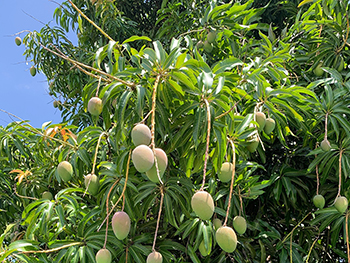
The pleasant floral, fruity flavors of many fruits have attracted consumer attention with the promise of good nutrition and health. Fruit flavors exist as complex chemical mixtures including both volatile and nonvolatile (i.e. sweet and sour tastes) flavor components, however character impact compounds for individual fruit tend to be volatile. Since many of the volatile components are not aroma active, GC-Olfactometry (GCO), using the human nose as detector, was employed to determine which volatile components had aroma activity. Headspace and liquid-liquid extraction methods of flavor volatiles were employed coupled with GC/MS and GCO for guava, carambola and mango. The overall flavor profile and character impact compounds of these Florida-grown fruits will be discussed.  This information will be of interest to the flavor, food-beverage, and tropical fruit industries.


11:45     Effect of Seasonal Variation on Enzymatic Hydrolysis of Valencia Orange Peel. M. R. Wilkins, W. W. Widmer, R. G. Cameron and K. Grohmann.

             USDA, ARS SAA Citrus and Subtropical Products Laboratory, Winter Haven


Approximately 10 million tons of oranges are processed in Florida each year, producing approximately 5 million tons of waste consisting of peel, seeds and segment membranes.  Most of this peel is currently dried and pelletized to produce citrus pulp pellets, a low value cattle feed.  Several researchers have converted orange peel waste into valuable sugars using both acid and enzymatic hydrolysis.  After hydrolysis, many of these sugars can be utilized to produce ethanol, a valuable fuel, and other chemicals.  This study focuses on the effect of harvest time and maturity on sugar yields from the enzymatic hydrolyses of Valencia orange peel.  Valencia oranges were obtained from the same grove at three times during the 2005 harvest season, early March, early April and early May.  A commercial juice extractor was used to extract juice and the processing waste collected for hydrolysis.  Peel was comminuted to a size less than 0.7 mm in a food processor.  Cellulose, hemicellulose and pectin were hydrolyzed using pectinase, cellulase and beta-glucosidase enzymes to produce sugars.  Glucose, fructose, galactose, arabinose, xylose, rhamnose and galacturonic acid yields as determined by HPLC both before and after hydrolysis are over the season are compared and will be discussed.


LUNCH BREAK


MONDAY AFTERNOON SESSIONS

1:30- 3:00          Concurrent Sessions - B

1:30     Design of Perforation-Mediated Modified Atmosphere Packaging for Shredded Carrots: Mathematical Modelling and Experimental Validation.  J. Montanez, F.A.R. Oliveira, M. Pinelo, P. Mahajan, Department of Process & Chemical Engineering, University College Cork, Ireland, L.M. Cunha and M.C. Manso, Post-Harvest Research Sub-Unit, CECA-ICETA, University of Porto, and University Fernando Pessoa, Porto, Portugal.


Perforation-mediated modified atmosphere packaging consists of packing fresh produce in an air-tight package perforated by one or more tubes. The interplay between the product respiration rate (RR) and the rate of gas exchange through the tube(s) promotes an increase in CO2 and a decrease in O2 concentration, the atmosphere eventually levelling off. The objective of this work was to design and validate a package for shredded carrots, based on mathematical models earlier developed for predicting RR and gas exchange rate. Different amounts of product and tube dimensions were selected and experiments were performed at 10oC. Predicted and experimental gas compositions were quite different and anaerobiosis was observed in almost every package. This might be explained by an increase of RR during storage, as earlier reported for shredded carrots stored in air. Another set of experiments was then performed, halving the amount of produce, and the equilibrium gas composition was in the recommended range. The RR at steady state was calculated by a mass balance and it was found that the values were approximately two-fold those obtained with the predictive model, which explains the difference between prediction and validation results. The respiratory quotient was however similar, approximately 1, which shows that storage time increases RR but does not influence the underlying mechanisms. It can therefore be concluded that the design of MAP for shredded carrots needs to take the effect of storage time on RR into consideration. As a rule of thumb, package design might be based on the double of RR predicted by exiting models.


1:45     Forced-Air Cooling of Strawberries In Reusable Plastic Containers.  M.B. Meana*, K.V. Chau, J.P. Emond, M.T. Talbot, Agricultural and Biological Engineering Department, Institute of Food and Agricultural Sciences, UF


Reusable plastic containers (RPC) have become very popular, first in Europe and now in North America.  Cooling data of strawberries packed in clamshell containers and placed in RPC’s will be presented.  These data include the cooling rates at different fruit locations inside each clamshell, at different locations of the clamshells within each RPC, at different locations of the RPC within the stack and the effect of blocking off some of the open by-pass areas in the RPC to force more air through the fruit in the clamshells.  A portable forced-air cooling unit was designed and constructed.  The airflow rate through the unit can be controlled and the unit can accommodate 5 layers of RPC’s.  The cooling tests were conducted at a commercial cooling facility.


2:00      1-Methylcyclopropene delays ripening of the perishable ‘Donnie’ avocado.   J. Arias and J. Crane, Tropical Research and Education Center, UF, D.J. Huber and S.A. Sargent, Horticultural Sciences Department, UF.


West Indian (WI) avocados generally have a short storage and shelf life, reducing their marketing window.  The effect of 1-MCP (1-methylcyclopropene) on fruit firmness, color, and postharvest storage life was investigated using ‘Donnie’ avocado, a large, WI avocado with a short postharvest shelf life.  Fruit were harvested from a commercial orchard in Homestead, Fla. and treated with air or 1 ppm 1-MCP in sealed containers at 7oC (45oF) for 24 h.  After treatment, fruit were packed in commercial flats and stored for 7 days at 7oC (45oF) and 14 days at 13oC (55oF) and then exposed to ambient temperatures for an additional 5 days.  During storage and post storage exposure to ambient temperatures, fruit were rated for firmness and color on days 5, 12, 19, and 21 and 2 and 5, respectively.  Fruit treated with 1-MCP were significantly firmer and greener after 5 days of storage than non-treated fruit.  1-MCP treated fruit were firmer and greener after storage compared to non-treated fruit.  The data show that 1-MCP has potential to extend the useful storage life of ‘Donnie’ avocado fruit.


2:15      Effects of Pre- or Postharvest GA Application on Storage Quality of Florida ‘Ruby’ Red Grapefruit and ‘Fallglo’ Tangerines.  M.A. Ritenour, M.S. Burton, Indian River Research and Education CenterUF, and T. G. McCollum, USDA_ARS Horticultural Research Laboratory, Ft. Pierce.


Gibberellic Acid (GA) has been reported to delay peel senescence of citrus fruits.  Since physiological and pathological disorders of citrus tend to occur more frequently on senescent tissues, GA treatments are used in some citrus-growing areas to maintain quality through market channels.  Studies were conducted during the 2002-03 season to investigate the effects of pre- or postharvest GA treatments on postharvest fresh fruit quality and quality retention during storage of 'Fallglo' tangerines and ‘Ruby’ Red grapefruit. As expected, preharvest GA treatments delayed color development of ‘Fallglo’ tangerines at harvest and after degreening. Extending ethylene exposure from 6 to 18 hours allowed GA-treated fruit to color similar to non-GA treated fruit degreened for only 6 hours. Preharvest GA treatments increased peel puncture resistance, but also led to a slight reduction in soluble solids content (SSC). Preharvest GA treatments had no significant effect on juice content, titratable acidity (TA), or SSC:TA ratio. After storage, preharvest GA treatments generally increased the incidence of postharvest stem-end rot (SER). Extending ethylene exposure to overcome GA-delayed color development only enhanced the development of postharvest SER further. Inhibition of color development in harvested ‘Fallglo’ tangerines dipped in GA was not significant immediately after degreening, but was significant 14 days after degreening. Postharvest GA dips, either before or after degreening, generally had no affect on postharvest decay or disorders of ‘Fallglo’ tangerines during storage. Similar GA treatments on ‘Ruby’ Red grapefruit often resulted in phytotoxic injury and increased decay during storage. At the concentrations used, pre- or postharvest GA treatments do not improve postharvest quality retention of Florida-grown ‘Fallglo’ or ‘Ruby’ Red Grapefruit during simulated storage.


2:30      HPLC-MS Analysis of Furanocoumarin Dimers in Immature Rio Red Grapefruit.  J. A. Manthey, USDA-ARS, Citrus and Subtropical Products Laboratory, Winter Haven.


Furanocoumarin dimers in grapefruit juice are involved in grapefruit/drug interactions.  The majority of these compounds putatively occur as complex conjugates of bergamottin, epoxybergamottin, and dihydroxybergamottin, with molecular weights of 692, 708 and 726 amu.  These compounds are readily detected by both UV (310 nm) and electrospray ionization mass spectrometry.  Detection by the latter technique is 10-100 times more sensitive, and provides a means of analyzing the trace levels of these compounds in extracts of early developing grapefruit.  These analyses showed that the furanocoumarins, with the exception of the dimer at 692 amu, occur in very early grapefruit.  The concentrations of these compounds are high in the early fruit, and decrease moderately during further fruit development.  The relative concentrations of a number of other psoralens, coumarins, and flavonoids were monitored by HPLC-coupled photodiode array (UV) detection, and were observed to fluctuate significantly during early grapefruit development.


2:45      Utilization of Citrus Products Other than Juice.  D. Thompson, Diaeta Corp, Winter Haven.


Although at first in the 1800s the Florida citrus industry was established on fresh fruit, it was really built on juice after WWII.  Juice and fruit have continued as the mainstays, with a healthy but relatively small flavor and aroma industry.  Recently, with the ability to recover more dry matter without damaging the constituents of the peel, this product, peel and pulp, or whole dried citrus powder has become available.  The dried and wholesome whole citrus powder can be more valuable that the juice or the whole fruit.  In addition to the sugars, which are at the same concentration in the peel/pulp as in the juice, citrus bioflavonoids are there in abundance.  There is a strong demand for these products.  They have been shown in hundreds of scientific papers and dozens of clinical trials to reduce weight, reduce cancers, reduce hypertension, improve eyesight, improve cardiovascular health, prevent radiation damage and a host of other health issues.


3:00                  Sectional Business Meeting

3:15                  BREAK

3:30-5:00           Concurrent Sessions - C

Visit Special Sessions or other Sectional Programs

5:00                  End of Afternoon Session


TUESDAY MORNING SESSIONS

10:00-11:30       Concurrent Sessions - D

10:00      Non-traditional Use of Crops in Florida.  The Ethanol Boom.  M.J. Ahrens, Lake Alfred FL.


Florida is a major agricultural state as we all know, as related to horticultural crops in particular.  Many of these crops are specialty crops such as strawberries.  Much of the vegetable production is highly specialized and commands premium prices in the cool season.  Of course, with this comes considerable risk.  The second largest horticulture industry is citrus, the first now being ornamentals.  But as a single crop, citrus is king.  You will remember that there are nearly a million acres of citrus, much of this is now centered around La Belle.  The FCOJ was a boon to our industry.  However, and today unfortunately, that same technology has made OJ a commodity with commodity prices.  A really efficient operation can return net before taxes of about $330/acre.  With the demand for ethanol, citrus byproducts, vegetable production waste, and specific crops such as sugarcane and industrial hemp, if in a vertically integrated system, can return over $700/acre.  This is more than the combined profit of fruit production and juice processing together.  Dry tons and conversion costs are discussed as a new ag industry for south Florida.


10:15    Quality Attributes Limiting Papaya Postharvest Life at Chilling and Non-chilling Temperatures.  E. Proulx, Dept. Sols Genie Agroalimentaire, Universitie Laval, Quebec, Canada, M.C.N. Nunes, Food Sci. Human Nutr. Dept., UF, J.P. Emond, Agric. Biol. Eng. Dept., UF and J.K. Brecht, Hort. Sci. Dept., UF.


Papayas were harvested twice, in April and May, at color break ripeness stage and held at constant temperatures of 0, 5, 10, 15 or 20 °C for 14 days in order to determine the quality attributes that limit papaya marketability at different temperatures.  Evaluations of weight loss, instrumental and visual color, flesh firmness, shriveling, chilling injury (CI) symptoms, chemical composition, and decay were performed initially and every other day.  Fruit stored at 0, 5 or 10 °C were transferred to 20 °C for 2 days at the end of storage to evaluate CI symptom development.  A significant maturity difference between the harvests affected CI susceptibility, in that CI symptoms developed faster and were more severe in the less mature fruit.  At the non-chilling temperatures of 15 and 20 °C, papaya marketability was limited primarily by flesh softening, followed by color change indicative of over ripeness and by shriveling; at the chilling temperatures of 0, 5, and 10 °C, marketability was limited by development of CI symptoms and, to a lesser extent, by shriveling.  Storage temperature had little effect on the soluble solids, pH, titratable acidity or ascorbic acid.  Papaya marketability in this study was not limited by decay except as a secondary manifestation of CI following transfer to 20 °C after 2 weeks of storage at chilling temperatures.  The quality curves constructed for each temperature showed that a single quality attribute cannot be used to express loss of quality of papayas over the range of temperatures evaluated.


10:30    Simulated Long-distance Transport of Strawberries in a Passive Modified Atmosphere Marine Container.  G.S. Riad and J.K. Brecht, Hort. Sci. Dept., UF.


Strawberries are extremely perishable due to their susceptibility to decay, softening, and water loss.  Rapid establishment of a modified atmosphere (MA) with elevated CO2 is considered to be critical for long distance strawberry shipments in order to inhibit these negative changes, especially decay.  However, passive MA systems that may be used for strawberries develop MA slowly.  We stored ‘Camarosa’ strawberries for 10 days in a closed system at 2 °C with the strawberry weight:void volume ratio chosen to simulate transport in a 40-foot marine container.  An atmosphere of 5% O2 plus 15% CO2 developed in the MA after 10 days and appeared to be beneficial in that there was some delay in fruit senescence and also prevention of microbial growth, however, sharp increases in respiration rate and the respiratory quotient beginning on day 8 of storage in MA indicated initiation of anaerobic respiration.  After 10 days in air or MA, the strawberries looked fine, but after an additional 12 hours at room temperature there was already significant microbial growth on the air-stored fruit, which may have been due to latent infections that couldn't be expressed at 2 °C.  These results indicate that 5% O2 plus 15% CO2, although commonly used for domestic strawberry shipments, may not be appropriate for transit times longer than 7 days.  It appears that about 9 to 10% O2 plus 10 to 11% CO2 may be a better gas composition for transit times greater than 7 days since the strawberry respiration rate was at a minimum in that atmosphere range.


10:45    An Assessment of Methods to Clean Citrus Fruit Surfaces.  J.A. Narciso, USDA-ARS, Citrus and Subtropical Products Laboratory, Winter Haven.


A move away from harsh chemicals towards more natural or organic postharvest treatments for citrus has prompted interest in alternate sanitizers for cleaning citrus in packinghouses.  In this study we compare the efficiency of sanitizing methods on oranges.  The oranges were collected from the field, rinsed under running tap water and surface sterilized in a hot water bath. A cocktail of organisms previously isolated from the surfaces of oranges taken from a commercial grove (including Penicillium digitatum, Geotrichum citri-aurantii and Colletotrichum gloeosporioides) was made and the oranges were inoculated by dipping them into the spore mix. They were air dried for 24 hours and washed with warm water, sodium hypochlorite and a commercial solution of peroxyacetic acid. The fruit were allowed to air dry after which time they were washed in sterile buffer to remove any remaining microorganisms. The buffer was analyzed for the presence of these organisms.  The commercial solution of peroxyacetic acid was the most effective in removing the microorganisms from surfaces of the oranges.


11:00    New Class of Enzymatic Cleaners in the Food Industry.  Stephen Gorton, Envirogen Inc, Baltimore MD.


For years the agricultural industry has had to rely on caustic cleaners to remove dirt and molds from fruits and vegetables.  These products are damaging to the environment and the people that handle them.  Most, if steps are not taken to reduce them, can end up in peoples stomachs.  Many of them also can damage the fruits or vegetables themselves.  And some even damage the processing and handling equipment.  Detergents, stochiometric chemicals such as chlorine, and fungicides are all used in the process of trying to get the fruits and vegetables in a presentable, sellable condition, as well as remove potential pathogens.   Our company has developed a class of products which rely on enzymes to breakdown these dirts and films that are environmentally friendly, non-toxic to humans and animals, and which are not caustic to machinery.  Enzymes have long been known for their specific action, but have been difficult to use in many applications and have been expensive to produce.  What we now can offer to the agriculture community is an inexpensive stable blend of enzymes and biotics which can effectively replace traditional stochiometric chemicals.


11:15    The Potential Of A Novel Product Citrus Clean For Citrus Postharvest Decay Control.  Juixu Zhang and Joe Ahrens, Florida Department of Citrus, Citrus Research and Education Center, UF.


Postharvest decay is one of the most important factors affecting fresh citrus fruit quality and marketing values. Fungicide application is a major step in citrus postharvest disease control. Due to the adverse effects of conventional fungicides, new alternatives are needed. In the recent years, a new, environmentally friendly, and enzyme-based product,  Citrus Clean, has been developed by EnviroGen company.  The potential of this product for citrus postharvest decay control was evaluated. Citrus Clean actively suppressed the growth of the selected postharvest fungal pathogens, Penicillium digitatum, Diplodia natalensis, Phomopsis citri and Phytophthora palmivora. Pineapple oranges, treated with Citrus Clean solutions at 1, 5, 10, 50 or 100% on a simulated commercial packingline 24 hours after fruit inoculation with an imazalil sensitive P. digitatum isolate (PD-36), exhibited a green mold reduction of 22.0, 47.5, 62.7, 79.7 and 81.0%, respectively, 4 days after fruit had been stored at 21oC. The commercial fungicide imazalil (1,000 ppm) reduced green mold by 80.9%. Similarly, Fallglo tangerines, inoculated with an Imazalil resistant P. digitatum isolate (PD-30) and dipped in Citrus Clean concentrations of 1, 5, 10, 50 and 100% for 1 min, showed a green mold reduction of 24.3, 46.0, 62.1, 73.6, and 74.7%, respectively, 7 days after fruit storage at 21oC. The test results indicate that Citrus Clean consistently achieved more than 70% green mold control at a concentration of 50% or higher. Citrus Clean shows a good potential as a prospective product for citrus mold control and fungicide resistance management.


11:30                Discussion / End of Meeting


Krome Section Abstracts

 J. Pablo Morales-Payan, Presiding


MONDAY MORNING SESSIONS


10:00-12:00   Concurrent Sessions -A


Applied Genetics (10:00-11:00) and Student Competition (11:00-12:00)

  10:00  William Grove Genetic Resource Center: A scientific and Outreach Facility for South Florida. Noris Ledesma and Richard J. Campbell. Fairchild Tropical Botanic Garden, Coral Gables, FL. 

In 2004, Fairchild Tropical Botanic Garden (FTBG) received a donation of 20 acres in the agricultural district of Miami-Dade County from Mr. Frank Williams. The property had approximately 19 acres of commercial avocados, consisting of modern varieties with current commercial potential. A preliminary master plan is under development for the property. The property will be divided into a commercial avocado orchard of approximately 16 acres and a 4-acre public outreach facility. The commercial component will be maintained according to standard agricultural practices for Miami-Dade County. The proceeds of the commercial farm will be used to help develop the overall project. The public outreach and research center will house the living genetic bank for avocado, mango, jackfruit, mamey sapote, sapodilla, canistel, abrico (Mammea americana), caimito, spanish lime (Melicoccus bijugatus) and tamarind. Each crop has its own scientific focus for development and use. A public education facility will be developed with a point of purchase outlet for specialty fruit, products and outreach materials. A teaching and research building will be constructed to house staff of the Tropical Fruit Program of FTBG, a classroom and a synoptic teaching collection. Williams Grove will serve as a valuable fruit genetic resource and outreach facility for Florida and Tropical America.


10:15  Why Would We Breed Cacao in Florida? Raymond J. Schnell, USDA, ARS, SHRS, Miami; J. C. Motamayor, Masterfoods Inc., Miami FL; J. S. Brown, USDA, ARS, SHRS, Miami, FL; D. N. Kuhn, Florida International University, Miami; C. Cervantes, USDA, ARS, SHRS, Miami; and C. T. Olano, USDA, ARS, SHRS, Miami, FL.


The U.S. chocolate and confectionary industry is a major consumer of U.S. agricultural commodities. The industry uses over 3 billion pounds of sugar annually, much of it produced in Florida. Over 650 million pounds of milk and milk products, 322 million pounds of peanuts, 43 million pounds of California almonds and 1.7 billion pounds of corn syrup sweeteners are also used. The total value of these U.S. produced commodities is estimated to be over 1.5 billion USD and over 70,000 people are employed in this industry.  The seed of Theobroma cacao L. is the only source of chocolate and the plant is not grown commercially in the U.S. Production of cacao in tropical America has been severely affected by two fungal pathogens causing diseases known as witches’ broom (WB) and frosty pod (FP). These, along with another pan-tropical fungal disease, black pod (BP), were responsible for over 700 million USD in losses in 2001. Currently, WB and FP are confined to Central and South America; however, commercial populations in West Africa and South Asia are highly susceptible to both diseases. Traditional cacao breeding programs have only been marginally successful in producing resistant material with suitable commercial characteristics. In 1999, the USDA-ARS, in collaboration with Masterfoods Inc., initiated a project to apply modern molecular genetic techniques to cacao breeding. The objectives were to develop an international Marker-Assisted-Selection (MAS) breeding program focusing on disease resistance. International collaboration and the development of new disease resistant cultivars are ensuring that crop losses are manageable and contributing to a stable supply of cocoa beans for U.S. companies.


10:30  Pedigree Analysis of Florida Mango Cultivars. Cecile T. Olano, R. J. Schnell, and W. E. Quintanilla, National Germplasm Repository, USDA ARS, Miami; and R. J. Campbell, Fairchild Tropical Botanic Garden, Miami.


The Florida mango cultivars were historically described as hybrids between Indian types (monoembryonic) and Southeast Asian types (predominantly polyembryonic). Early molecular data including isozyme and Randomly Amplified Polymorphic DNA analysis supported the hybrid origin. The Florida varieties are distinctive and combine the best characteristics of both Indian and Southeast Asian types.  Although adapted to Florida conditions they perform well across many different environments and several, including ‘Tommy Atkins’, ‘Keitt’, ‘Haden’, ‘Irwin’, and ‘Parvin’ are used for commercial production in many tropical countries.  Using 14 microsatellite markers we analyzed 69 Florida varieties as well as Indian and Asian cultivars to construct likely pedigrees for each Florida cultivar. Parentage analysis was performed across four generations based on introduction dates of accessions into Florida and selection dates for Florida varieties. The cultivars were sampled from the accessions maintained at the National Germplasm Repository and by Fairchild Tropical Botanic Garden. Results suggest that as few as four Indian cultivars, the land race known as ‘Saigon’ and the criollo ‘Turpentine’ were involved in the early cultivar selections. Thirty seven of the 63 parents identified across the four generations were other Florida cultivars. The inbreeding coefficient among the Florida types is estimated at 0.254. Diversity analysis indicates that the Florida types were more closely related to Indian than to Southeast Asian types and that the Florida group is not more diverse than either of the originating parental groups. Average gene diversity (Hnb) of 0.51, 0.47 and 0.452 were found for Indian, Southeast Asian and Florida types, respectively.  Based on this analysis, Florida does not represent a secondary center of diversity; however, the Florida group is unique and a subset of the Florida types has proven to have an unusual level of production stability and environmental adaptability.


10:45 Inheritance of Fruit Color in Surinam Cherry (Eugenia uniflora L.). John Griffis, Jr., Tropical Plant & Soil Science Dept., University of Hawaii at Manoa; and Malcolm M. Manners, Citrus and Horticulture Dept., Florida Southern College, Lakeland, FL. 

Surinam cherry is commonly used in Florida, Hawai’i, and in many tropical regions of the world as an ornamental shrub. The fruits are also commonly eaten fresh or used in cooking although some fruits may have a somewhat unpleasant resinous flavor. Most plants bear fruits that are red to red-orange in color. Plants bearing dark-colored (purple or “black”) fruits have been reported, but are uncommon. Ten grafted clones of a dark-fruited, non-resinous selection (‘Zill Dark’) of Surinam cherry were purchased from Zill’s Nursery and planted on the Florida Southern College campus in the mid 1990s. Four of these clones were planted in an isolated area of the campus, away from any red-fruited plants. Surinam cherry plants appear to self-pollinate easily and these isolated plants set many dark-colored fruits. In spring 1999, 150 fruits were removed from one of these isolated clones and were planted in community pots in the FSC greenhouses. Most of the seeds had germinated after a month and were repotted into individual 3” pots. Several months later, the seedlings were potted up into 1-gallon containers where they remained for 2½ more years. Only a few plants came into bloom during this time. In spring 2002, the surviving seedlings (120) were potted up into 3-gallon containers, spaced in full sun conditions, and placed on drip irrigation. Plants were fertilized with slow-release fertilizer. In central Florida, blooming of Surinam cherry tends to be asynchronous except in the early spring of the year, when most plants bloom all at the same time. In spring 2003, most of these seedling plants bloomed and set fruit. Fruits were collected and examined. Of the 120 plants remaining from the initial planting, 88 had dark (or purple) fruits, 26 had red or red-orange fruits and 6 did not bear any fruit. From this preliminary trial, it appears that a single gene determines fruit color in Surinam cherry. It also appears that the ‘Zill Dark’ selection of Surinam cherry is heterozygous for this trait with dark (purple) dominant over red. 

11:00 Tracing the Pedigree of ‘Cynthiana’ Grape by DNA Microsatellite Markers. Lelan Parker*, Patricia Bordallo, and Violeta Coloba. Center for Viticulture and Small Fruit Research, Florida A & M University, Tallahassee, FL.


While there are good quality wines being made from muscadine and white bunch grapes in Florida, there is no identified well-adapted Florida grape for quality red wine that is color-stable. Cynthiana (also known as Norton) is considered one of the best American grape varieties for fine wine, and is suspected to have good tolerance to PD (Pierce’s disease) and low susceptibility to foliar and fruit disease and is being successfully grown for commercial wine production in southern Louisiana, as well as Missouri, Arkansas, and Virginia. Since this grape variety also produces color stable wines, it has great potential in Florida but needs to be evaluated before it can be recommended.  Most of the grapevine varieties in existence today are centuries old and are considered to have arisen by various means: domestication of wild vines, spontaneous crosses between wild vines and varieties and crosses between two variety. Due to the importance of the genetic background of the particular grape variety for maintaining its best physiological equilibrium and optimum performance under specific environmental conditions it is extremely voluble to understand the genetic events, which led to its appearance and to trace the parentage. Using the methods of molecular analysis the parent cultivars and the offsprings can be recognized, the pedigrees describing the genetic history of grape variety can be reconstructed.  While molecular marker types such as isoenzyme and RAPD techniques are of limited use for parentage studies (Ohmi et al., 1993; Buscher et al., 1994), microsatellites have proved to be the marker of choice for this purpose since they are transmitted in a codominant Mendelian manner.  In a cross, each of the parents passes one allele per locus to the offspring and in consequence, each allele displayed by the offspring must also be present in at least one of the two parents.  By examining the microsatellite allele composition of an individual and its two presumptive parents, it is possible to confirm or reject the proposed parentage.  Microsatellite markers are used routinely in forensic investigations dealing with paternity disputes, and have recently found application in pedigree reconstruction in grapevines. It is assaumed that Cynthiana/Norton is originated from Vitis aestivalis, Michx. We are investigating the parentage of Cynthiana grape via data mining in the existing North American grape germplasm collections, ampelographic analyses and specifically expressed in the variety microsatelite markers.


11:15  Meloidogyne floridensis, A New Root-knot Nematode Infecting Peach in Florida.  Jason D. Stanley*, Department of Entomology and Nematology, UF, Gainesville, FL; J. A. Brito, Division of Plant Industry, Gainesville, FL; D. W. Dickson, Department of Entomology and Nematology, UF, Gainesville, FL.


Meloidogyne floridensis is a recently described species of root-knot nematode that infects and reproduces on peach (Prunus persica) rootstocks Nemaguard, Nemared, Okinawa, and Guardian.  These rootstocks are resistant to the root-knot nematodes M. incognita and M. javanicaM. floridensis was found initially in 1966 in Gainesville, FL on a site used for peach rootstock screening and was considered to be M. incognita race 3.  In addition to the original population of M. floridensis, seven additional populations have been detected in Florida from Alachua, Hendry, Hillsborough, Indian River, and Seminole Counties.  These populations were found infecting: cucumber, eggplant, tomato, an unidentified bean (Phaseolus spp.), and lilac tasselflower, a weed associated with tomato.  Studies are currently underway to compare morphological characteristics, morphometrics, host preferences, pathogenicity, and esterase isozyme profiles of isolates from each of these populations.


11:30  Novel From of Caribbean Fruit Fly (Tephritidae) Suppression: Classical Biological Control of the Preferred Host Psidium cattleianum Sabine (Myrtaceae). Frank J. Wessels*, Entomology and Nematology Dept., UF, James P. Cuda, Department of Entomology and Nematology, UF, Gainesville; and M. Tracy Johnson, USDA Forest Service, Volcano, Hawaii.


The Caribbean fruit fly (CFF) is a common agricultural pest known for its wide host range of almost 100 species, including several important fruit crops.  CFF can cause direct yield loss, and its presence can affect shipments to quarantine sensitive markets.  In Florida and Hawaii, various control techniques have been used with limited success.  A novel approach for reducing fruit fly populations is classical biological control of their preferred naturalized host plants.  In addition to being an important host, strawberry guava, Psidium cattleianum Sabine, also is considered a highly invasive plant.  P. cattleianum is native to southeastern Brazil, but is present in Florida, Hawaii, and throughout the Caribbean. In Brazil, a survey of the entomofauna associated with P. cattleianum identified five potential biocontrol agents.  The most promising was a leaf-galling scale insect, Tectococcus ovatus Hempel (Hemiptera: Eriococcidae).  Large infestations of T. ovatus cause premature leaf drop and inhibit fruiting, thereby reducing fruit fly breeding sites.  Biological studies and host specificity testing are underway in Florida and Hawaii to determine if T. ovatus is suitable to release as a biological control agent.


11:45  Some Aspects of Soil Suppressiveness to Meloidogyne arenaria by Pasteuria penetrans.  George M. Kariuki* and D. W. Dickson, Department of Entomology and Nematology, UF, Gainesville, FL.


Pasteuria penetrans is known to cause soil suppressiveness to root-knot nematodes.  Our objective is to determine whether suppressiveness can be moved, established and managed.  P. penetrans and Meloidogyne arenaria were established in a field located at the Plant Science Research and Education Center, Citra, FL. Host crops for M. arenaria are being grown in summer and winter.  At the end of the each cropping seasons a baseline population of M. arenaria and P. penetrans were determined.  P. penetrans increased from an average of 1.3 endospores/second-stage juvenile (J2) to an average of 5.0 endospores/J2 over one season.  Three treatments, nontreated control, 1, 3-dichloropropene (I,3-D) at 168 liters/ha and chloropicrin at 263 kg/ha (both broadcast) were imposed in spring 2004.  At the end of the summer crop, 49% of nematode females in the nontreated control were infected by P. penetrans, followed by 1, 3-D with 33%, and chloropicrin with 22%.  The number of P. penetrans endospores attached per J2 was 39, 34, and 16 in 1.3-D, nontreated, and chloropicrin treated plots, respectively.  These treatment effects were different (P 0.05).  The study affirms that P. penetrans induced suppressiveness can be transferred, the soil fumigant 1, 3-D reduces numbers of root-knot nematode without decreasing P. penetrans, and that chloropicrin is detrimental to suppressiveness induced by P. penetrans.


LUNCH BREAK
MONDAY AFTERNOON SESSIONS

1:30- 3:00
     Concurrent Sessions – B
Crop Protection